

Criterion B overview

An orthographic projection shows the top, front, and side views of a 3D object.
an example of a bridge in orthographic projection

 Develop Design Ideas
Our bridge in real life (1:1) will be
-
length = 270-280 meters
-
max height = 100 meters
convert to centimeters
-
length = 27000-28000 cm
-
height = 10000 cm
Our drawings will be 1/1000 the size of the bridge in real life. Divide the length and height by 1000
-
length = 27-28 cm
-
height = max 10cm
a diagram for a bridge in 1:1000 scale.
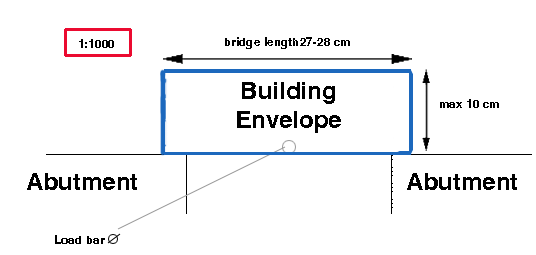
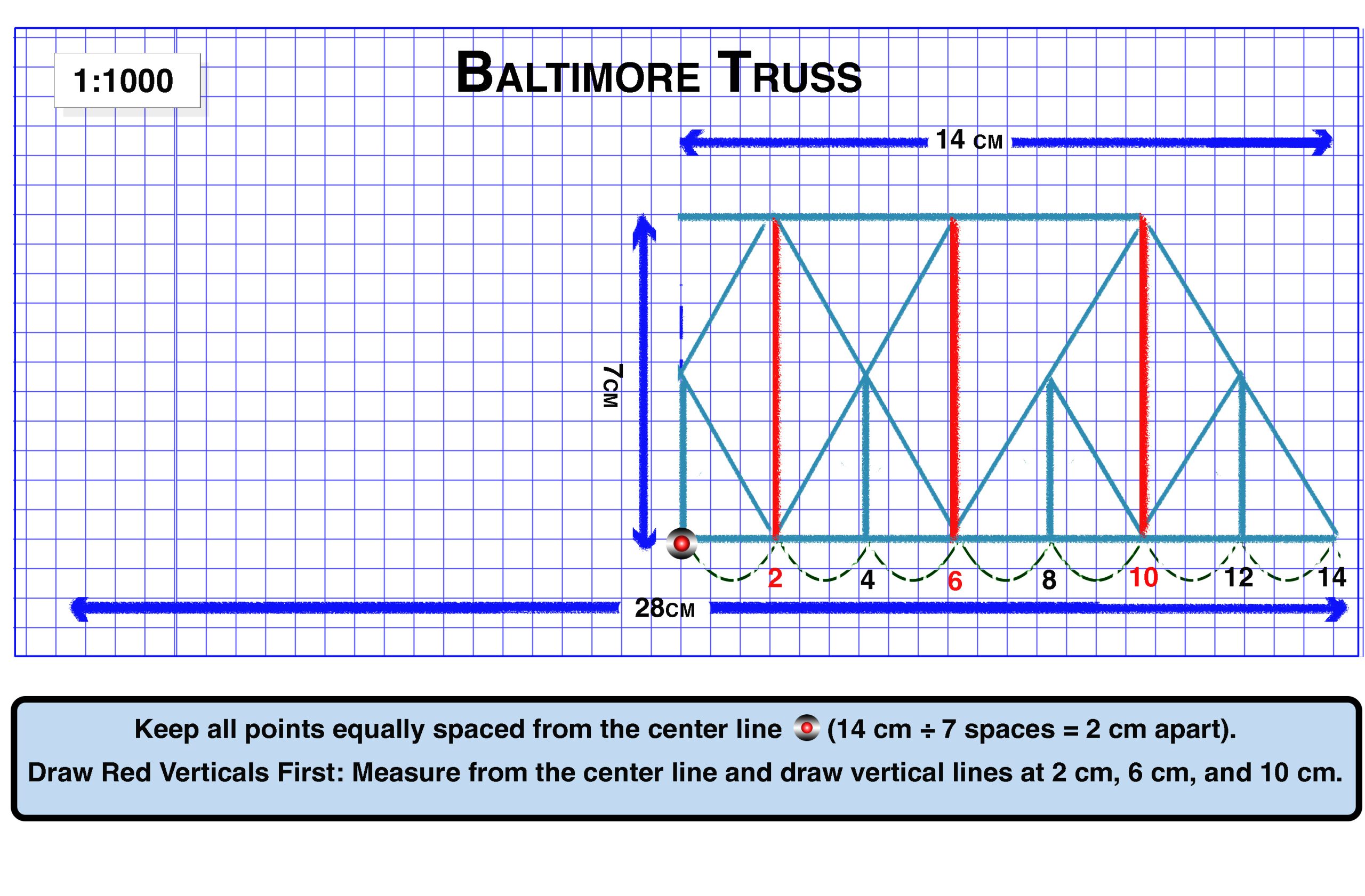
Quick guide for drawing 1:1000 drawings
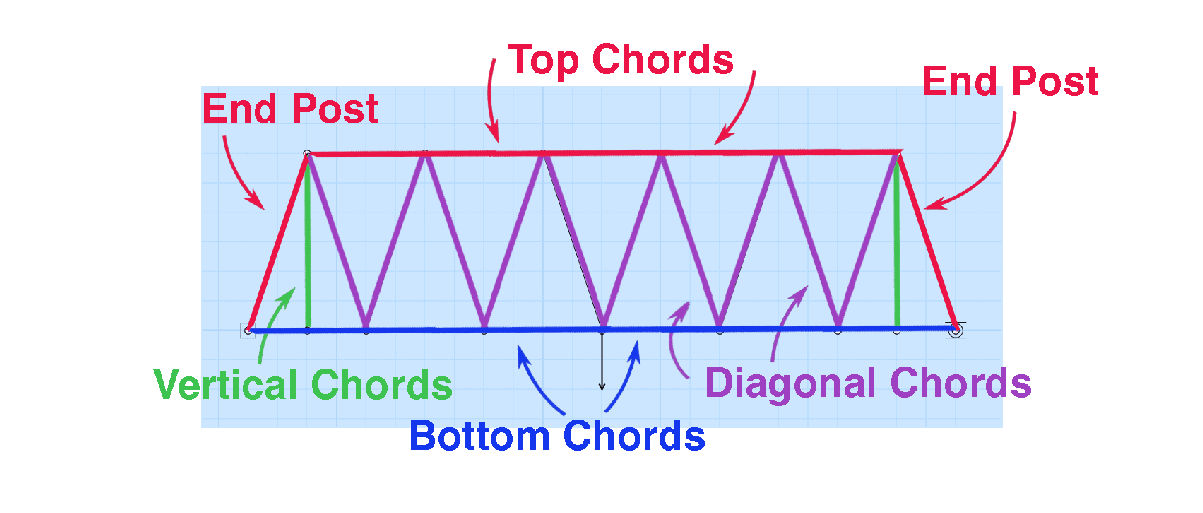
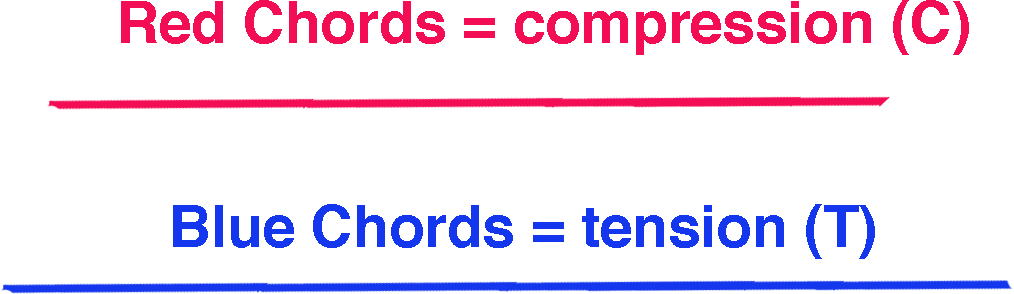
Use the terminology to communicate the bridge members.
student example


 Present the Chosen Design
*Turn in your drawings in class by the due date. Add JHU designs to your Google Classroom task.
 Develop The Final Design

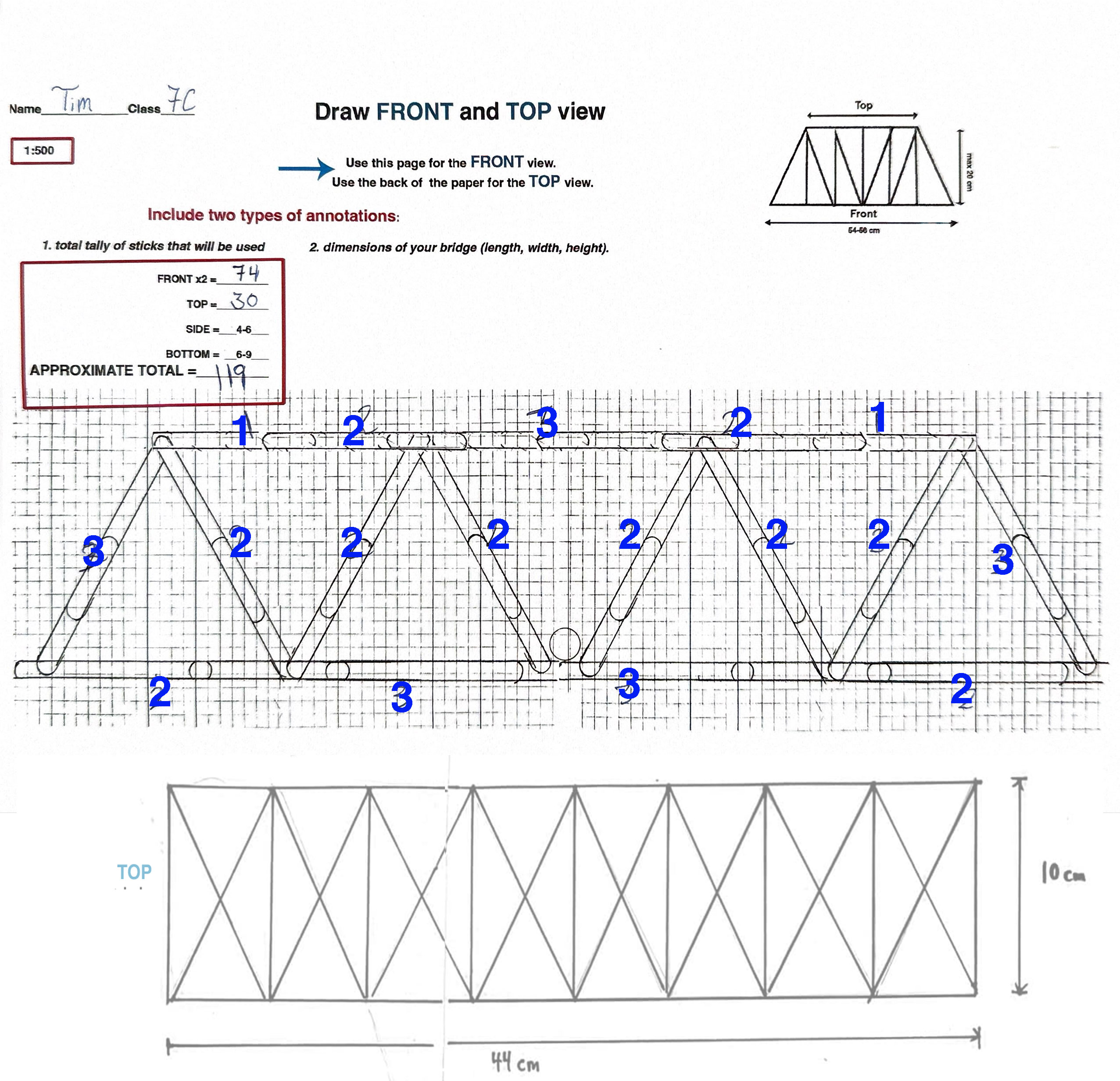
a diagram for a bridge in 1:500 scale.

example: Front and Top views with annotations
The final design will be used when constructing the bridge trusses.

